Published April 11, 2026
Inflation psychology is the collective belief among consumers and businesses that prices will continue to rise indefinitely. It is often described as a “self-fulfilling prophecy” because when people expect inflation, they change their behavior in ways that actually cause it.
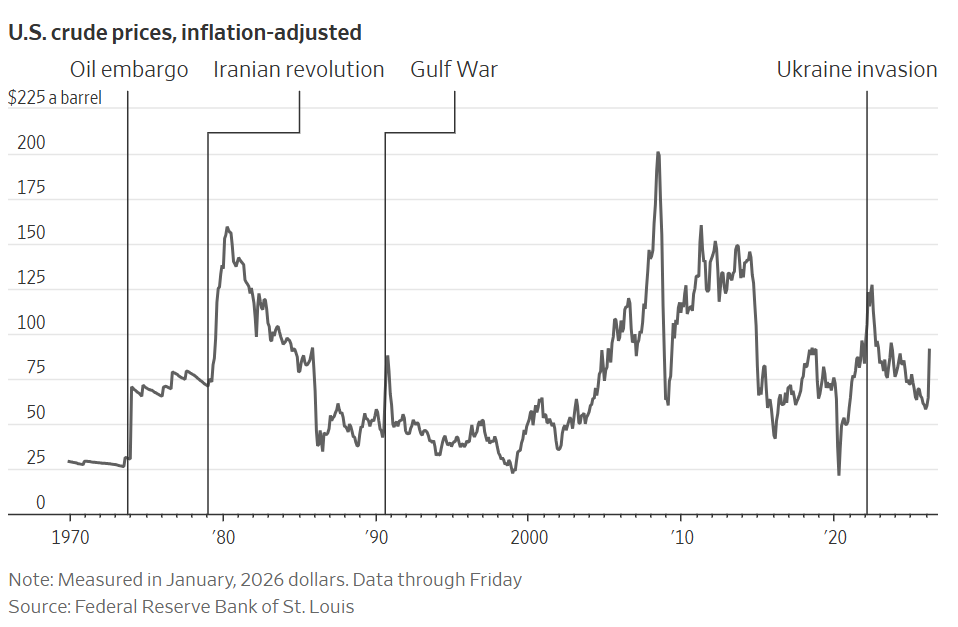
As of April 2026, this concept has returned to the forefront of economic discussion due to a sharp divergence in global markets and renewed geopolitical shocks.
1. How the “Vicious Cycle” Works
Inflation psychology turns a temporary price spike into a permanent trend through three primary behaviors:
- Forward-Buying: Consumers rush to buy goods now (like cars, appliances, or even non-perishable groceries) to “beat” the price increases they expect next month. This surge in demand pushes prices even higher.
- The Wage-Price-Profit Spiral: Workers demand higher wages to maintain their purchasing power. To cover these labor costs, businesses raise their prices. If businesses also raise prices to protect profit margins (a “profit spiral”), inflation becomes “sticky.”
- Reduced Price Sensitivity: When prices for everything are rising, consumers stop “shopping around” or resisting higher costs because they assume every retailer is equally expensive. This gives businesses more “pricing power” to pass on costs.
2. The Current “Sentiment Plunge” (April 2026)
The psychological landscape shifted dramatically this month. On April 10, 2026, the U.S. Consumer Sentiment Index plunged to a record low of 47.6, down from 53.3 in March.
| Driver | Psychological Impact in 2026 |
| Geopolitical Tension | Concerns over the Iran conflict have spiked energy expectations, making consumers feel that “the worst is yet to come.” |
| Tariff Lag | Many businesses are only now passing on the costs of 2025 tariffs as their old inventories run out, creating a “second wave” of price shocks. |
| “Salient” Prices | Households are ignoring aggregate stats (CPI) and focusing on “salient” items—eggs, gas, and home repairs—which remain highly volatile. |
3. The Cognitive Biases Involved
Economics isn’t just math; it’s brain chemistry. Two main biases are driving the 2026 outlook:
- Anchoring: Consumers are still “anchored” to the lower prices of the early 2020s. Every trip to the grocery store feels like a “loss” compared to that mental anchor, leading to Uncertainty Fatigue.
- Loss Aversion: Research from early 2026 shows that the “pain” of a price increase is felt twice as intensely as the “joy” of a price drop. This makes consumers more likely to hoard goods or demand aggressive raises to avoid the feeling of falling behind.
4. Regional Cross-Currents
Inflation psychology is currently diverging by region:
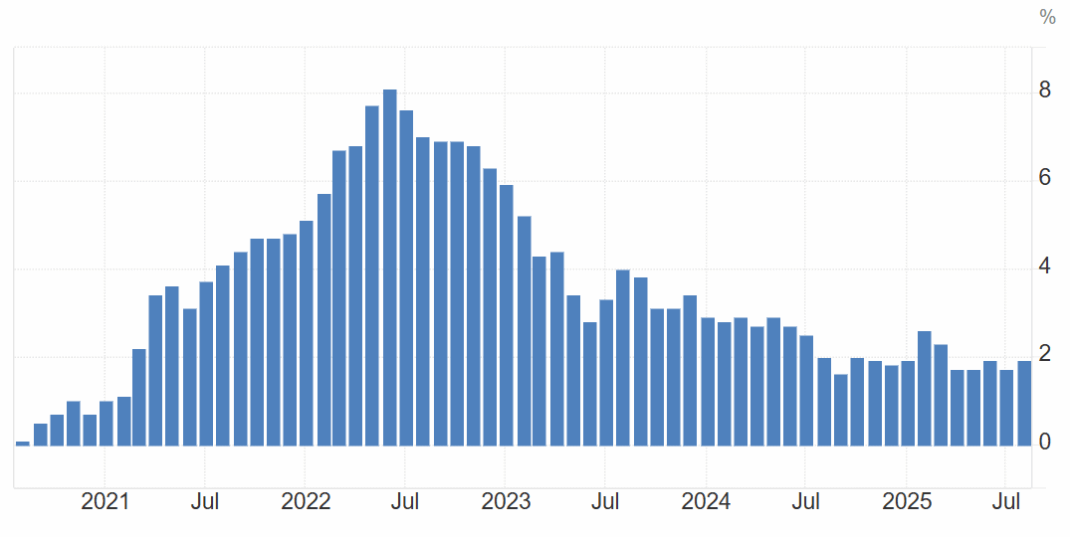
- The U.S.: Expectations are becoming “unanchored.” Core inflation is projected to accelerate toward 4% as the “buy now” mentality takes hold again.
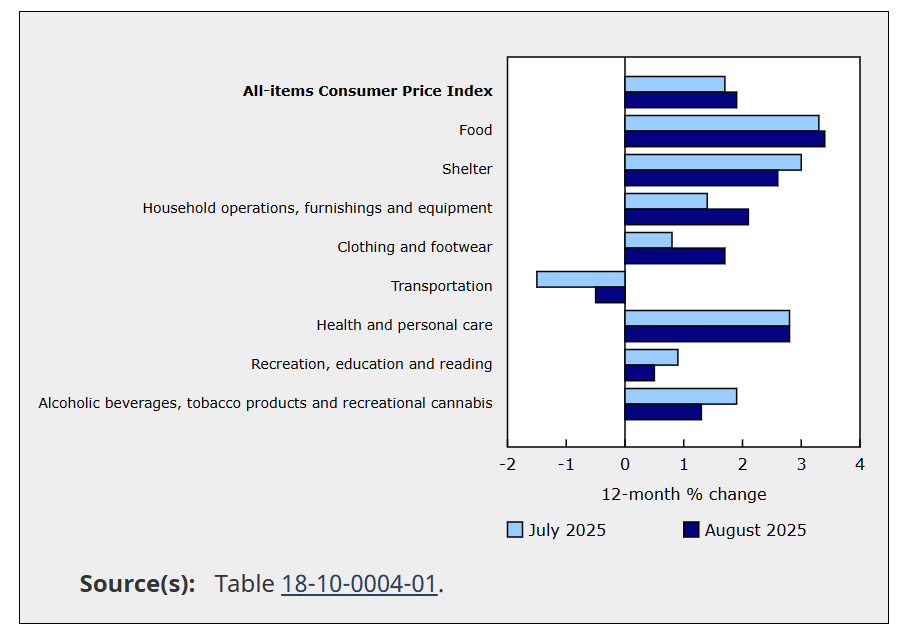
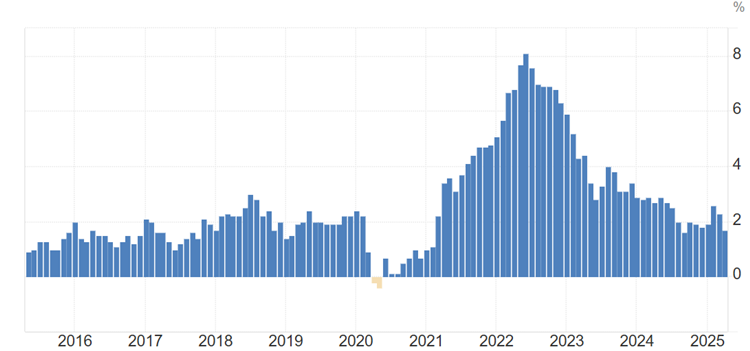
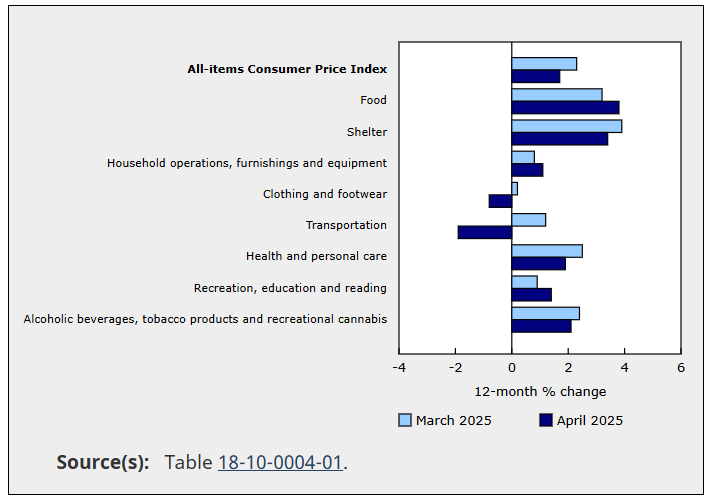
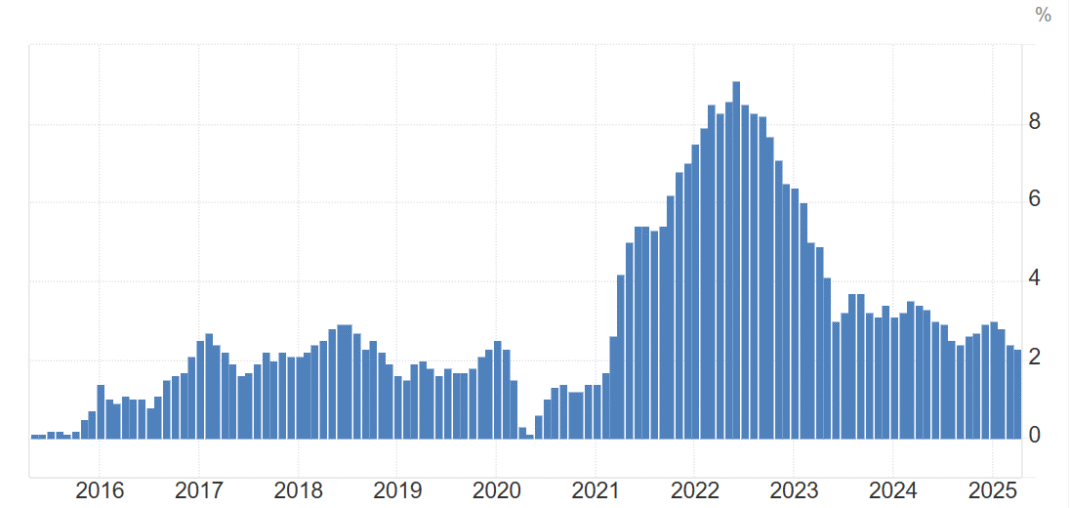
- Canada & Europe: Sentiment is more “cautious” than “panicked.” In Canada, consumers have shifted to Intentional Spending—prioritizing value and loyalty programs rather than mass forward-buying.
The Central Bank Dilemma
Central banks, like the Bank of Canada and the Fed, are terrified of “unanchoring.” Once people believe 4% inflation is the new normal, it is incredibly difficult to bring it back to the 2% target without causing a severe recession. Their main tool right now isn’t just interest rates—it’s communication, trying to convince the public that these shocks are temporary to break the psychological loop.