Published January 24, 2026
Executive Summary
The CBC is a federal Crown corporation that operates as Canada’s national public broadcaster. While it generates some of its own money, it is heavily dependent on public subsidies, which cover approximately 70-75% of its operating costs.
1. Headcount: How many people work there?
- Total Employees: Approximately 7,500 to 8,000 permanent, full-time equivalent employees.
- Recent Stability: In late 2023, the CBC announced plans to cut roughly 600–800 jobs (about 10% of its workforce) due to a projected budget shortfall. However, in the April 2024 Federal Budget, the government injected an additional $42 million specifically to prevent these layoffs. As of 2025/2026, the workforce has stabilized near historical levels, though attrition (not replacing people who retire) remains a tool for managing costs.
2. Public Subsidy: How much tax money do they get?
The CBC receives an annual “Parliamentary Appropriation” (taxpayer funding) voted on by the federal government.
- Annual Public Subsidy: Approximately $1.4 Billion CAD per year.
- Breakdown: This works out to roughly $33–$35 per Canadian per year.
- Trend: The funding has increased slightly in nominal terms to cover inflation and salary increases, but the broadcaster argues that in “real dollars” (inflation-adjusted), its funding has declined over the last decade.
- Recent Top-Up: The $42 million added in 2024 was a “stop-gap” measure to handle rising production costs and declining ad revenue, signalling the government’s intent to keep the current size of the organization intact for now.
3. Revenue Streams: Do they make their own money?
Yes. The CBC is not 100% publicly funded. It operates a “hybrid” model where it competes for advertising dollars against private companies (like Bell/CTV, Rogers/Citytv) and tech giants (Google/Meta).
- Self-Generated Revenue: Approximately $400 Million – $500 Million per year.
- This accounts for roughly 25–30% of their total budget.
- Where the money comes from:
- Advertising (TV & Digital): This is the largest chunk. They run commercials on CBC Television, CBC News Network, and their websites. Note: CBC Radio does not run commercial advertisements (except for limited sponsorships).
- Subscription Fees: Revenue from discretionary channels (like CBC News Network) that are part of cable packages, as well as monthly subscriptions for the premium version of CBC Gem (their streaming service).
- Content Licensing: Selling shows (like Schitt’s Creek or Murdoch Mysteries) to other broadcasters or streamers internationally.
- The Problem: Their “self-generated” revenue is shrinking. Traditional TV advertising is collapsing across the entire industry as money moves to digital platforms (Google/Facebook), and the CBC is struggling to replace those lost TV ad dollars with digital ones.
Summary Table (2025/2026 Estimates)
| Category | Approximate Amount | Notes |
| Public Funding (Subsidy) | ~$1.4 Billion | The core grant from Parliament. |
| Self-Generated Revenue | ~$450 Million | Ads, subscriptions, licensing. |
| Total Annual Budget | ~$1.85 Billion | Combined operating power. |
| Headcount | ~7,800 | Stabilized after 2024 funding injection. |
Why is this controversial?
The “Revenue Stream” is a major point of friction. Private broadcasters (like Global and CTV) argue that it is unfair for the CBC to receive $1.4 billion in tax money and compete against them for scarce advertising dollars. They argue this subsidized competition makes it harder for private Canadian news outlets to survive. The CBC counters that ad revenue is essential because the public subsidy alone is not enough to maintain its current level of services across TV, Radio, and Digital in both English and French.


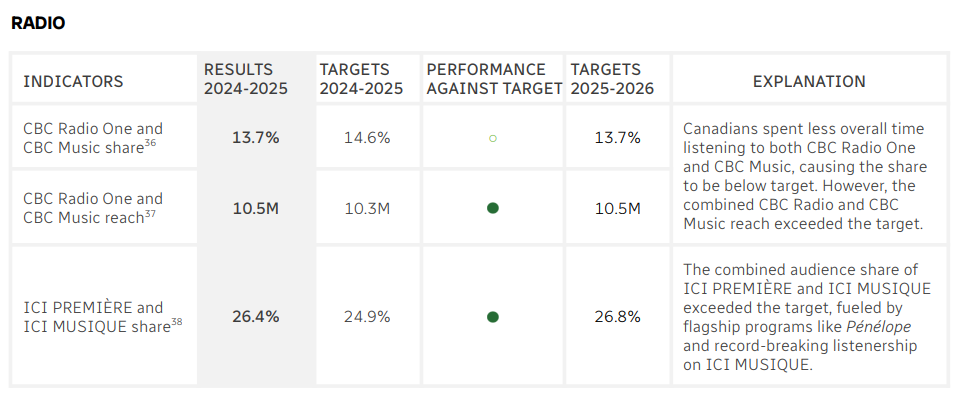
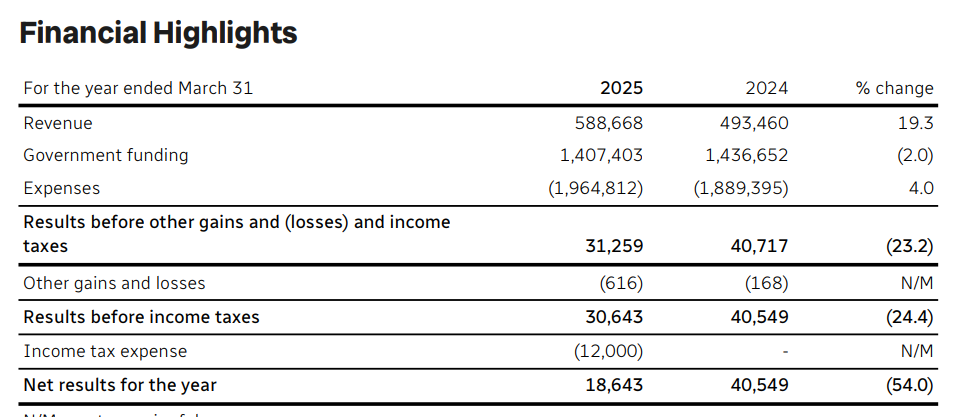
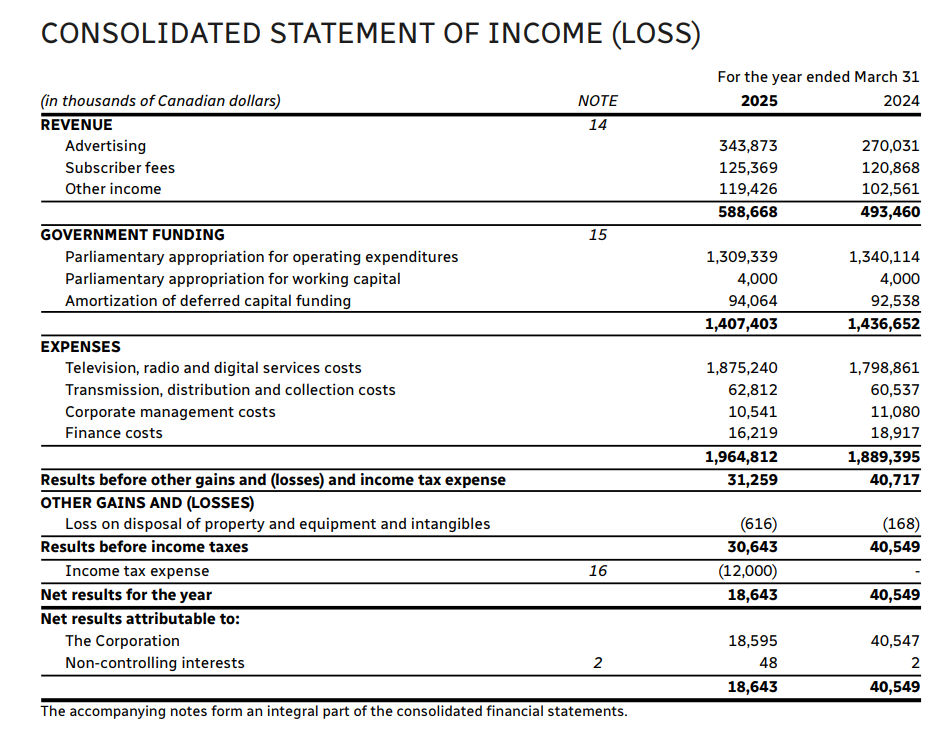
https://cbc.radio-canada.ca/en/impact-and-accountability
Updated link February 11, 2026: I agree that the amount and placement of advertising was awful and disrespectable to the opening ceremonies CBC shouldn’t brush off the over 1,000 complaints it received about ads during Olympics opening ceremony – The Globe and Mail